Murchison Falls and the Serengeti sit in different countries, on different river and grassland systems, with different signature wildlife events. Weighing murchison falls vs serengeti isn’t really about picking a winner. It comes down to matching the park to what you actually want from a safari. Do you want a thundering waterfall on the Nile, or the open plains where close to two million wildebeest move each year? Here are the differences that should decide it.
Murchison Falls vs Serengeti: Which Should You Choose?
Choose Serengeti if the wildebeest migration and the highest predator density in East Africa matter most to you, along with classic endless plains scenery. Choose Murchison Falls if you want the Nile River, a powerful waterfall, boat-based wildlife viewing, and generally lower daily costs. Neither park is objectively better. They answer different questions about what a safari should feel like.
7 Differences That Decide It
1. Location, countries and getting there. Murchison Falls sits in northwestern Uganda, near Lake Albert. It’s roughly a four to five hour drive from Entebbe, or a short domestic flight. The Serengeti sits in northern Tanzania, reached by about an hour’s flight or a longer drive from Arusha. The two parks are separated by close to 1,700 kilometers of road, crossing several countries in between. That’s the first thing to accept when comparing them: these are two separate safari countries, not two options in the same region.
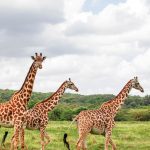
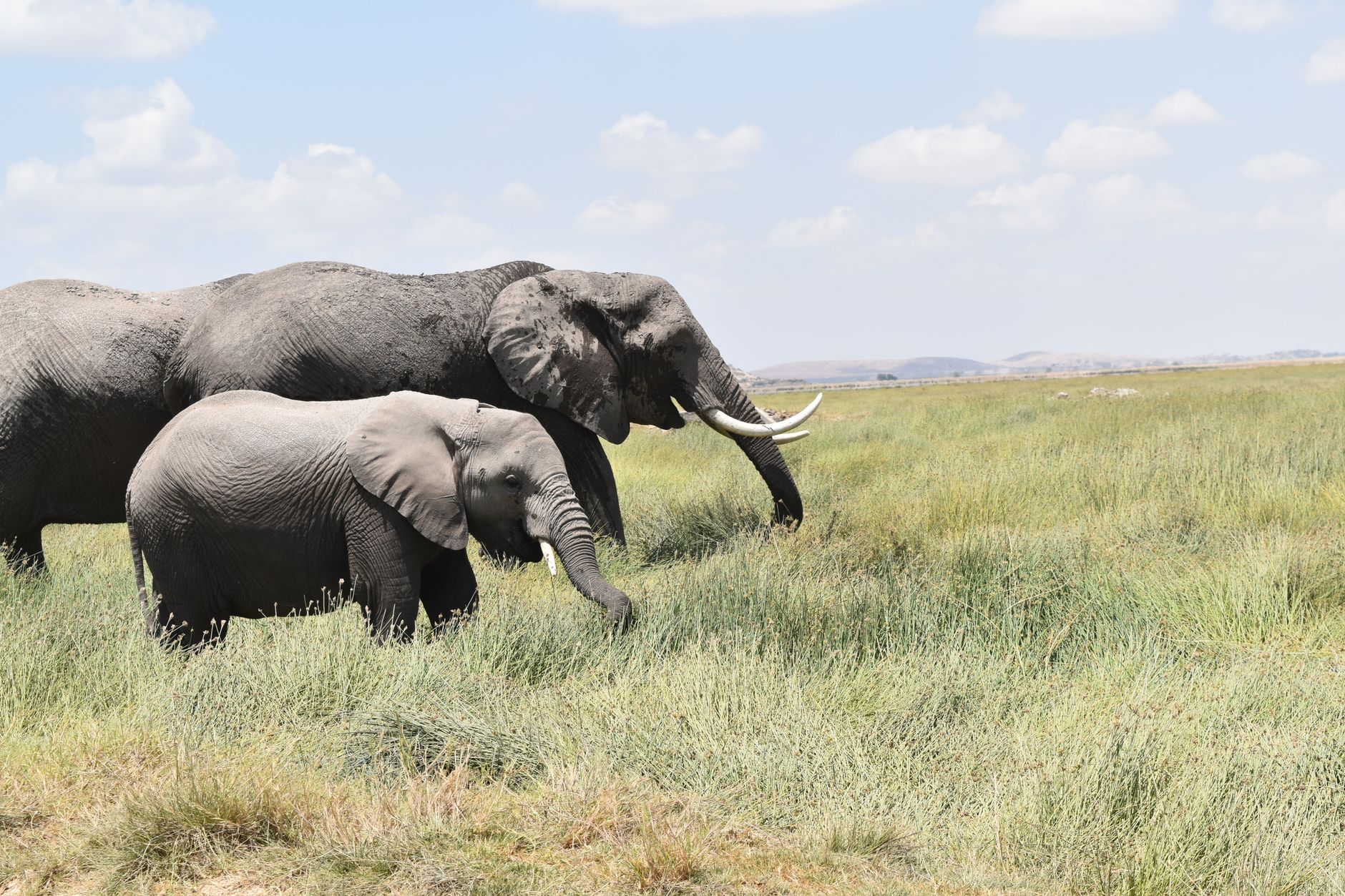
2. Wildlife and Big Five viewing. Both parks hold four of the Big Five. Rhino sightings need a dedicated sanctuary visit in either country, since neither park has a wild population you can count on seeing. The Serengeti has denser predator numbers, especially lion and cheetah, spread across open grassland that makes sightings easier to spot from a distance. Big Five viewing in Uganda leans more on elephant and buffalo, both concentrated along the Nile’s northern bank. Giraffe, strong hippo numbers, and a wide range of recorded bird species round out the picture along the river. For how the term is used more broadly across the region, see our Big Five in Kenya guide.
3. The Great Migration vs Murchison Falls’ year-round Nile wildlife. Serengeti hosts the real Great Migration, close to two million wildebeest, zebra and gazelle moving in a continuous loop through the ecosystem. Murchison Falls has no equivalent. Wildlife there shifts locally along the Nile’s floodplains as rainfall and water levels change. It concentrates predictably near the river most of the year, rather than building to one seasonal event. If the wildebeest migration is what’s pulling you toward Tanzania, our piece on the best month for Serengeti predators breaks down when the crossings peak.
4. Best time to visit each park. The best time to visit the Serengeti depends on what you want to see. Choose January through March for the southern calving season, or July through September for the river crossings most photographers chase. Murchison Falls delivers solid game viewing across the year. The driest and most reliable conditions run from December to February and June to September, when animals cluster along the river and park roads stay easiest to drive.
5. Signature scenery and safari activities. A Murchison Falls boat cruise to the base of the waterfall is the park’s defining experience. Pair it with a hike to the top of the 45-meter drop and game drives along the Nile. Serengeti centers on open-plains game drives, hot-air balloon flights over the herds, and walking safaris in select concessions. Neither park replicates the other’s signature activity. If Uganda is on your shortlist, our breakdown of which Murchison Falls sector to choose is worth reading before you book.
6. Safari cost comparison. Uganda safari cost tends to run lower overall, with more affordable park entrance fees and a wider spread of budget and midrange camps. Serengeti costs rise sharply during the peak migration windows, when premium and mobile tented camps set the going rate. Exact cost depends more on season and camp tier than on the park itself. It’s worth checking general Kenya safari cost patterns too if your trip touches more than one country.
| Factor | Murchison Falls (Uganda) | Serengeti (Tanzania) |
|---|---|---|
| Park entry fees | Lower, more budget friendly | Higher, and rises further in peak season |
| Peak season pricing | Modest increase | Sharp increase, especially Jul-Sep and Jan-Mar |
| Camp tiers available | More budget and midrange options | Weighted toward premium and mobile camps |
| Getting there from Nairobi | Requires a flight via Entebbe | Requires a flight via Arusha or Kilimanjaro |
7. Can you combine Murchison Falls and the Serengeti in one trip? Yes, but only by flying. There’s no practical road route, and the overland distance runs close to 1,700 kilometers. Most itineraries connect the two through Entebbe and Arusha or Kilimanjaro. Many add a Uganda gorilla trekking leg, since travelers are already crossing the region for both parks. If you’re weighing murchison falls vs serengeti as two legs of one regional trip rather than a single choice, start with a mapped Kenya-Uganda itinerary. Then check Uganda-Rwanda border crossing logistics before you commit to dates.
Your Next Step
These two parks sit in different countries, with different flight and visa logistics. The fastest way forward is to compare how operators actually price the route you want, whether that’s one park or both. Browse packages on FindMySafari, Valley Safaris, or Trunktrails Safaris to see current Uganda and Tanzania itineraries side by side before you commit to dates.
More safari planning resources
- Wildebeest migration map from SafariPure
- Masai Mara Great Migration guide from Trunktrails Safaris
- Wildebeest migration route map from Valley Safaris
- Great Migration safari collection on FindMySafari